
Categories
55+ Living, Summerlin, Sun City SummerlinPublished September 1, 2026
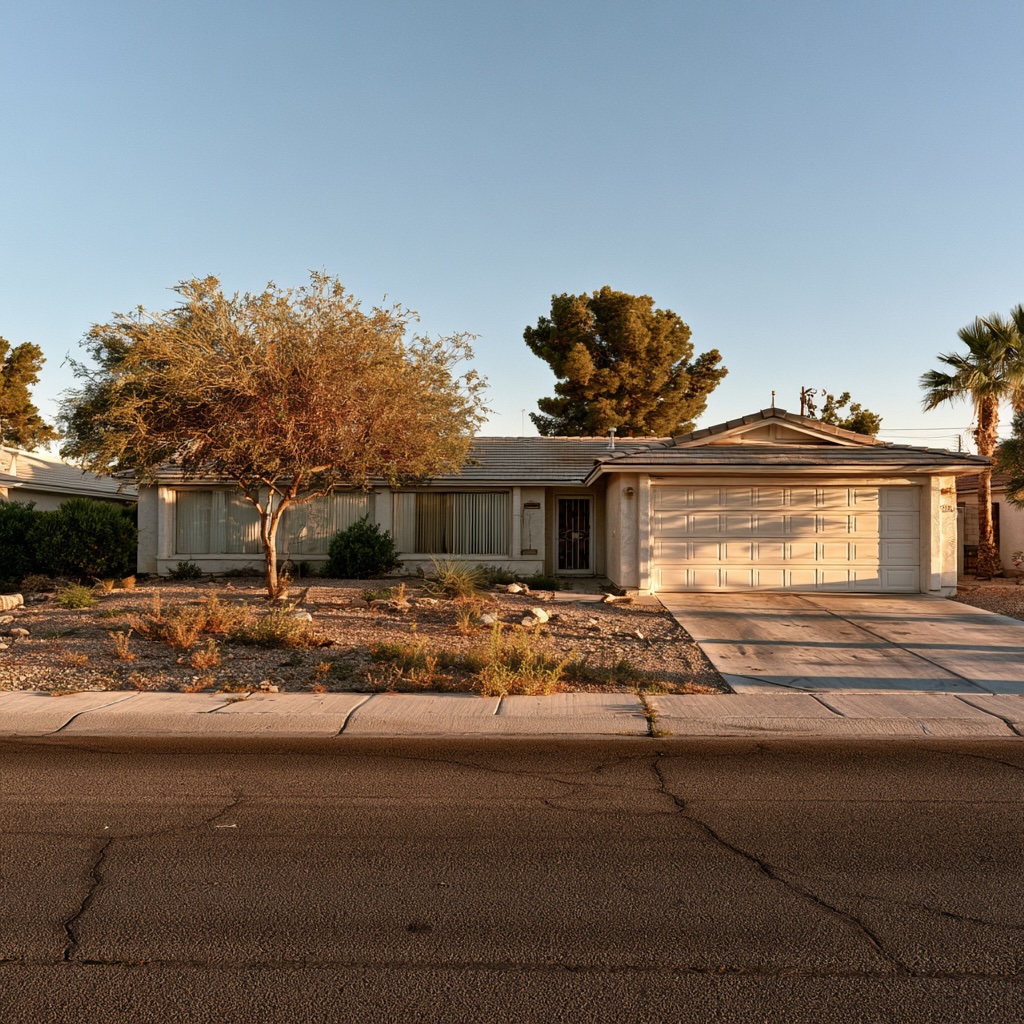
If You Just Inherited a House in Las Vegas and You Don't Live Here, Read This First

If You Just Inherited a House in Las Vegas and You Don't Live Here, Read This First
I've had versions of this phone call over the years. Someone lives in another state, a parent has passed away, and they suddenly have a house in Las Vegas to deal with from hundreds or thousands of miles away. They haven't seen the property in years, if they've ever seen it at all. They don't know a soul in this city. And they're trying to figure out probate over the phone while grieving.
Las Vegas has attracted retirees from around the country for decades, while many of their adult children built their lives elsewhere. If you're one of those heirs, here's what I want you to know before you do anything else.
What I'm Seeing on the Ground
I've handled probate listings over the years, including situations where the heir lived outside Nevada, and the out-of-state heir situation has its own rhythm compared to a typical sale. The seller isn't in town to walk the property, sign in person, or make quick decisions about repairs. Sometimes there are multiple siblings involved, spread across three or four states, all of whom need to agree before anything moves. Many heirs aren't familiar with what Nevada requires before a house with a deceased owner's name still on the title can legally change hands.
Nevada updated its probate rules effective October 1, 2025. Estates valued at up to $150,000 may qualify to be set aside without administration, up from the previous $100,000 threshold. Estates with a gross value of up to $500,000 after deducting encumbrances may qualify for summary administration, up from the previous $300,000 ceiling. Estates above that limit generally proceed through regular administration.
The Timeline Nobody Warns You About
Here's the part that often catches out-of-state heirs off guard. There's no single Nevada probate timeline, and I'd rather tell you that upfront than give you a number that turns out to be wrong for your situation. One built-in timing factor is the creditor claim period. Under NRS 147.040, creditors generally have 90 days after notice to file a claim against the estate, and that period drops to 60 days when the estate qualifies for summary administration. Court schedules, the complexity of the estate, and whether there's a will that clearly names an executor all add time on top of that.
Nevada probate also includes procedures for notifying creditors and giving them time to file claims against the estate. Those statutory periods are one reason probate does not move on the same timetable as an ordinary home sale. In my experience handling these listings, heirs should think in terms of months rather than a standard 30 to 45 day real estate transaction, and the estate's size and which administration track it falls under will shape exactly how many.
The practical upshot: don't sign a listing agreement or make plans around a closing date until you know which track your parent's estate falls into and who actually has legal authority to sign. I've seen heirs get ahead of themselves here, understandably, because they're grieving and want it resolved. But signing before the paperwork is in order just creates a mess to clean up later.
What Actually Helps From Out of State
If you're not local, the single biggest thing that changes the experience is having someone on the ground who treats you like a full client, not a formality. That means video walkthroughs instead of asking you to fly in. It means coordinating with the estate attorney directly instead of routing everything through you. It means being upfront that a probate sale is a different animal than a regular listing, with different disclosure rules and, in some cases, court confirmation of the sale price before it can close. Under Nevada's Independent Administration of Estates Act, a personal representative with full authority generally does not need court confirmation to sell real property, while limited authority still requires it for real estate specifically. Your attorney will tell you which one applies, and it changes how the sale actually moves.
It also means being honest about condition. A lot of these homes belonged to a parent who lived there for twenty or thirty years, and they may need work before they show well, including some of the hidden costs that come with getting an older Las Vegas home ready to sell. I'd rather tell an out-of-state heir the truth about what a home needs and what it's worth as-is than have them find out after they've already spent money on repairs they didn't need, or worse, underprice a home that didn't need the work at all.
One Probate Sale I Handled
Several years ago, after the pandemic, I worked with a client whose father had lived in Sun City Summerlin. She was in Kansas City handling the estate from a distance while going through probate. I handled the listing throughout that process. Once she had the correct paperwork in hand confirming her authority to sell, we were able to list the home and get it sold. She never had to fly out to see it in person before closing. What made the difference wasn't the marketing or the price, it was making sure the legal side was buttoned up before we did anything else, so there was no scramble or false start once she was ready to move.
The Bottom Line
If you've inherited a house here and you're not in Las Vegas, don't let the distance or the unfamiliar process push you into a decision before you're ready. Get clear on which probate track the estate falls under, confirm who has legal authority to sign, and find someone local who will walk you through it honestly, not just list the house and hope for the best. Probate is not the majority of my business, but I've handled these situations before and understand how important it is for the real estate side to stay coordinated with the estate attorney.
Frequently Asked Questions
How long does a probate sale take in Nevada?
There's no single fixed timeline, but Nevada's creditor claim period gives you a real anchor point. Under NRS 147.040, creditors generally have 90 days after notice to file a claim against the estate, and that drops to 60 days if the estate qualifies for summary administration. Court schedules, the size of the estate, and whether the will clearly names an executor all add time beyond that. In my experience, heirs should plan in terms of months rather than a standard 30 to 45 day closing.
Do I need to be in Las Vegas to sell an inherited house here?
No. I've handled probate sales for heirs who lived out of state, and the process can often be managed without the heir traveling to Las Vegas. Video walkthroughs, digital signing, and clear communication with the estate attorney make that possible.
What changed with Nevada's probate laws in 2025?
Nevada raised its probate thresholds effective October 1, 2025 under Senate Bill 404. Estates valued at up to $150,000 may qualify to be set aside without administration, up from $100,000. Estates with a gross value of up to $500,000 after deducting encumbrances may qualify for summary administration, up from the previous $300,000 ceiling. Estates above that limit generally proceed through regular administration.
Can I sell the house before probate is finished?
An inherited home often can be sold before the entire probate estate is closed. The personal representative first needs the legal authority required to act for the estate. Whether additional court approval or confirmation is required depends on the type of administration and the authority granted by the court, specifically whether the representative has full or limited authority under Nevada's Independent Administration of Estates Act. Your attorney can confirm which applies before you sign a listing agreement.
What if my siblings and I don't agree on selling?
This comes up often with multiple heirs. It's worth having a direct conversation, sometimes with the estate attorney present, before listing. A local agent experienced with probate can also help present market data that makes the decision easier to agree on.
Will the house need repairs before it can sell?
Sometimes. Homes that belonged to a longtime owner often need updates. I'll walk you through what's cosmetic versus what actually affects value, so you're not spending money on repairs that won't move the price, or underpricing a home that's in better shape than you think.
Scott Rotheiser, Nevada Real Estate Broker, License #B.1003211, specializes in 55+ communities, downsizing, single-story homes, and active adult living in Summerlin, Henderson, and the greater Las Vegas area.
Since 2011, Scott has been involved in the sale of more than 1,500 homes across the Las Vegas area, spanning a wide range of buyers, sellers, and property types. Today, his work focuses on 55+ housing, active adult communities, downsizing, new construction considerations, and helping clients understand how housing decisions fit into long-term lifestyle planning.
Visit scottrotheiser.com to learn more.
Sources
- NRS Chapter 147: Presentation and Payment of Claims (creditor claim periods, NRS 147.040)
- NRS Chapter 143: Powers and Duties of Personal Representatives, including the Independent Administration of Estates Act, NRS 143.300 to 143.815
- NRS Chapter 146: Estates Set Aside Without Administration
- NRS Chapter 145: Summary Administration of Estates
- Nevada Probate Thresholds: Summary vs. General Administration (SB 404 Changes)
- Clark County Bar Association: Top 10 Reasons to Read SB 404 Before October 1
- State of Nevada Self-Help Center: Probate Basics
- Synopsis of Nevada Probate Law, Clark County District Court
This article summarizes publicly reported information for general educational purposes and is not legal advice. Consult a licensed Nevada estate attorney for guidance specific to your situation.

Scott Rotheiser
| H Scott Rotheiser
or another way